
Xôi Lạc TV: Chính Sách Sử Dụng Và Lợi Ích Dành Cho Người Dùng
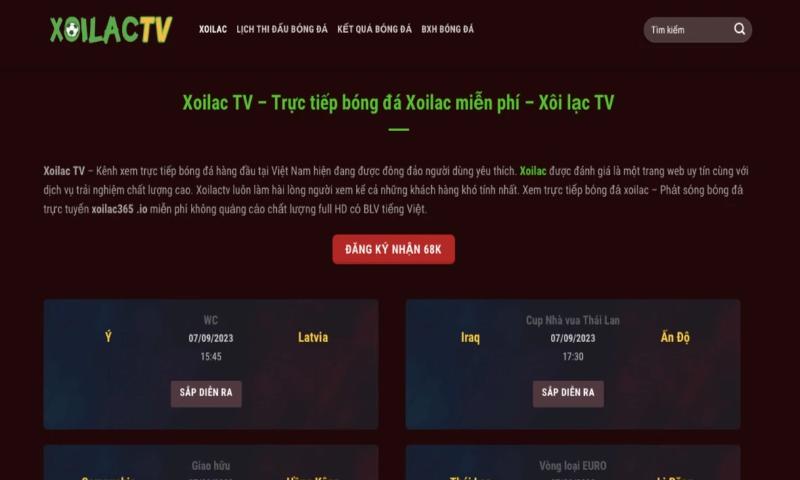
Chính sách sử dụng và lợi ích của người dùng tại Xoilac TV rất được quan tâm. Bởi địa điểm được đánh giá khá cao về độ uy tín cũng như chất lượng phát sóng bóng đá trực tiếp.
Ngày 05/05/2024
Tất cả các điều khoản tại Xôi lạc TV đều cung cấp cho người dùng có thêm cơ hội để thưởng thức các sự kiện thể thao đa dạng và tin tức thông qua các thiết bị thông minh có kết nối internet như điện thoại, laptop, máy tính bảng. Khi khách hàng lựa chọn sử dụng kênh, xin hãy lưu ý và tuân thủ các điều khoản đã đề ra để đảm bảo lợi ích vốn có của mình.
Quyền và trách nhiệm của Xôi lạc TV
Để có một trải nghiệm hoàn toàn mượt mà và hiệu quả nhất, người dùng khi tham gia đăng ký trở thành hội viên của kênh, cần đáp ứng quy tắc một cách nghiêm túc. Về phía trang web cũng cần thực hiện chính sách sử dụng về quyền và trách nhiệm như sau:
Quyền của Xôi Lạc TV
Theo chính sách về quyền của chuyên trang mà chúng tôi đã cập nhật, bao gồm có:
- Trang web có quyền cung cấp nội dung và dịch vụ cho các thành viên đăng ký tham gia theo các điều khoản dịch vụ đã được đặt ra.
- Website uy tín có quyền thực hiện những thay đổi, cập nhật, bổ sung tính năng hoặc dừng cung cấp nội dung dịch vụ mà không cần thông báo trước cho người dùng.
- Chuyên trang còn có thể giữ quyền kiểm soát và xóa bỏ nội dung người dùng tải lên nền tảng của mình, khi được xác định là vi phạm các điều khoản dịch vụ và không đúng với thuần phong mỹ tục.
- Xôi lạc TV có quyền hủy bỏ, đình chỉ hoặc chấm dứt tài khoản của người dùng nếu phát hiện họ vi phạm các điều khoản sử dụng đã được quy định.
Trách nhiệm kênh cần thực hiện
.jpg)
Hầu hết tại các kênh giải trí bóng đá, đặc biệt là Xôi lạc thì đều cần có trách nghiệm thực hiện nghiêm chỉnh, bao gồm:
- Chuyên trang cam kết luôn cung cấp đa dạng các nội dung và dịch vụ liên tục, ổn định và an toàn, trừ trong trường hợp bất khả kháng hoặc sự cố không lường trước được.
- Đồng thời, kênh giải trí bóng đá trực tuyến có trách nhiệm bảo vệ thông tin cá nhân của người dùng, không tiết lộ cho bên thứ ba nếu không có sự đồng ý của người dùng, trừ khi có yêu cầu từ cơ quan chức năng có thẩm quyền.
- Tất cả mọi phản hồi, khiếu nại và yêu cầu hỗ trợ từ người dùng đều được chuyên trang giải quyết một cách nhanh chóng và hiệu quả, mang đến trải nghiệm tốt nhất cho mọi thành viên.
Một số quyền và trách nhiệm của thành viên tại Xôi Lạc TV
Sau đây là những chính sách dịch vụ về quyền và trách nhiệm của người dùng khi tham gia giải trí trực tuyến bóng đá trên thiết bị di động. Bao gồm có:
Quyền của người dùng tại website Xôi lạc TV
.jpg)
Nếu là người mới tham gia tìm hiểu cần nắm bắt được một số quyền như:
- Mọi thành viên tại chuyên trang đều có quyền đăng ký và sử dụng dưới dạng miễn phí hoặc trả phí tùy thuộc vào gói dịch vụ mà họ lựa chọn.
- Người dùng đều có quyền truy cập vào các nội dung mà trang web uy tín này cung cấp.
- Người xem có quyền yêu cầu hỗ trợ, gửi góp ý, phản hồi, hoặc khiếu nại qua các kênh liên lạc chính thức của trang web. Thành viên tham gia cũng có quyền huỷ đăng ký hoặc ngừng sử dụng kênh giải trí bất cứ khi nào mình muốn.
Trách nhiệm cá nhân của người xem
Trách nhiệm của thành viên tại kênh bao gồm:
- Để đăng ký và sử dụng Xôi lạc TV, người xem cần cung cấp thông tin chính xác và đầy đủ.
- Người dùng cần bảo mật thông tin tài khoản và mật khẩu của mình, đồng thời không được chia sẻ với bất kỳ người nào khác.
- Người dùng cần chịu trách nhiệm và tuân thủ theo quy định của pháp luật, duy trì các chuẩn mực đạo đức khi sử dụng kênh giải trí bóng đá trực tuyến.
- Không được phát tán bất kỳ nội dung xấu độc nào mà không có sự cấp phép từ chuyên trang hoặc các bên liên quan khác để tránh vi phạm bản quyền và quyền sở hữu trí tuệ.
- Người xem có trách nhiệm không sử dụng kênh để tạo ra sự gây rối, xâm phạm, quấy rối, lừa đảo hoặc vi phạm quyền lợi hay bất kỳ bên thứ ba nào, theo đúng các điều khoản dịch vụ.
- Người tham gia không được đăng tải lên hoặc truyền bá nội dung trái phép, xúc phạm đến pháp luật và thuần phong mỹ tục.
- Thành viên cần tránh sử dụng website để gửi thư rác, thực hiện hoạt động quảng cáo không cho phép hoặc phát tán mã độc hại.
Về vấn đề bảo vệ thông tin cá nhân của thành viên
Xôi lạc TV cam kết tuân thủ quy định về bảo mật và bảo vệ thông tin cá nhân của bạn theo luật pháp và chính sách đã đề ra.
.jpg)
Chuyên trang chỉ thu thập, lưu trữ, sử dụng và chia sẻ thông tin cá nhân của bạn cho các mục đích liên quan đến cung cấp và nâng cao chất lượng dịch vụ. Thông tin cá nhân của tất cả các thành viên sẽ không được tiết lộ cho bất kỳ bên thứ ba mà không có sự đồng ý từ người dùng, trừ khi có yêu cầu từ cơ quan nhà nước có thẩm quyền.
Ngoài ra, người dùng cũng cần có có trách nhiệm cung cấp thông tin cá nhân chính xác và đầy đủ cho website và cập nhật nếu có thay đổi. Bạn cũng phải bảo mật tài khoản và mật khẩu của mình, không chia sẻ cho người khác. Nếu bạn phát hiện hoặc nghi ngờ việc sử dụng trái phép tài khoản hoặc thông tin cá nhân, hãy thông báo ngay cho kênh để được hỗ trợ, tư vấn kịp thời nhé.
Về trách nhiệm và miễn trừ tại Xôi lạc TV
.jpg)
Trang web cam kết mang đến cho bạn một dịch vụ truyền hình trực tuyến chất lượng, ổn định và an toàn. Tuy nhiên, chúng tôi không chịu trách nhiệm về các vấn đề sau đây:
- Sự cố kỹ thuật như mất kết nối Internet, gián đoạn hoặc dịch vụ xảy ra vấn đề trục trặc.
- Vi phạm bản quyền hay sở hữu trí tuệ, quyền riêng tư của các bên liên quan do người dùng hoặc bên thứ ba gây ra.
- Thiệt hại về danh tiếng, tài sản, sức khỏe hoặc tình cảm do việc sử dụng dịch vụ.
Chúng tôi giữ quyền thay đổi, cập nhật hoặc ngừng cung cấp dịch vụ mà không cần thông báo trước. Trang web cũng có quyền xóa, khóa hoặc hủy tài khoản của người dùng nếu họ vi phạm Điều khoản.
Một số lợi ích khi người dùng tham gia Xôi lạc TV
Sau khi đá trở thành hội viên của chuyên trang, các bạn sẽ được trải nghiệm các tính năng nổi bật kèm theo đó là những lợi ích được tận hưởng. Cụ thể như:
Tận hưởng trực tuyến thể thao chất lượng nhất
Xôi lạc TV cung cấp cập nhật thông tin nhanh chóng và chính xác, giúp người dùng theo dõi một cách thuận lợi các sự kiện thể thao hấp dẫn. Khả năng xem trực tiếp, tương tác với cộng đồng, cùng với lựa chọn đa dạng về thông tin, đều góp phần nâng cao trải nghiệm thể thao trực tuyến.
Thuận tiện tìm kiếm trận đấu yêu thích
Các tính năng tìm kiếm và lọc thông tin giúp người dùng dễ dàng tìm kiếm thông tin mong muốn và tiết kiệm thời gian. Khả năng xem trực tiếp bóng đá và xem lại các trận đấu cung cấp sự linh hoạt cho người dùng trong việc theo dõi theo thời gian của họ.
Giao diện kênh hài hòa, dễ sử dụng
Giao diện Xôi lạc TV trực quan, thân thiện với người dùng giúp họ thao tác và trải nghiệm các tính năng của kênh một cách tự nhiên và thuận tiện.
Lời kết
Chính sách sử dụng của Xôi Lạc TV là một tài liệu quan trọng mà bạn nên đọc kỹ trước khi bắt đầu sử dụng dịch vụ truyền hình trực tuyến bóng đá. Bởi những điều khoản này xác định rõ các quyền và nghĩa vụ của bạn khi sử dụng dịch vụ cũng như các lợi ích và rủi ro có thể phát sinh trong quá trình bạn tham gia giải trí.